Garden Clearance in Stoke Newington
Garden clearance in Stoke Newington should feel organised, practical and straightforward from the start. Our service is set up to remove unwanted garden waste, bulky outdoor items and accumulated debris so you can regain usable space without having to manage the heavy lifting yourself. Whether a garden has been left full of cuttings after a tidy-up or needs a more complete clearance, we provide a clear, commercial service shaped around the work itself and the outcome you want.
We handle mixed green waste, branches, hedge cuttings, soil in manageable quantities, old plant pots, broken outdoor furniture and other non-hazardous garden materials. Where access is awkward or the load is spread across different parts of the property, we can work through the area in a structured way and remove items efficiently. If you are comparing options, think about what needs taking away, how much space it occupies and whether any pieces require careful separation.
For a quotation, a concise description of the garden and the materials involved is usually the best place to begin. Clear instructions help us shape the job properly, especially where there are mixed waste types or access considerations. You can also use our online pages to understand the wider service range before making your enquiry, and then choose the option that best matches the scale of the work.
Garden waste removal and bulky outdoor items
Garden waste removal often covers more than leaves and clippings. Over time, a garden can collect broken trellis, dismantled sleepers, damaged fencing sections, sacks of soil, exhausted compost bags and weathered objects that no longer serve a purpose. Our approach is to remove the items that have become clutter while keeping the process orderly, so the remaining garden is ready for whatever comes next, from replanting to landscaping or routine maintenance.
Where the garden contains several different material types, separating them sensibly can make the job more efficient. Green waste is usually different from timber, metal fixings or general outdoor rubbish, and a careful clearance can help keep the load tidy. In some cases the main task is simply making the boundaries of the garden visible again so the space can be assessed properly. That is especially useful when piles have built up over time and the whole area needs clearing in stages rather than in one obvious sweep.
For services that sit alongside this work, you may find our garden clearance service helpful if you want a broader overview of how the clearance is handled, while our waste removal option is useful if the job includes mixed non-hazardous rubbish as well as garden material. The right choice depends on the items present and the amount of work required.
Overgrown gardens, seasonal cut-back and access

Some gardens need more than ordinary collection of loose waste. When growth has been left for a long period, the work may involve cut-back debris, fallen branches, heavy clumps of vegetation and general outdoor clutter that has become difficult to sort manually. Our clearance service is suited to these situations because it focuses on removing the waste once the garden has been brought under control enough for safe handling. The aim is practical: clear the material, leave the useful features behind and reduce the amount of effort you have to spend on disposal.
Access can influence how the job is planned. Narrow side passages, stepped routes, shared entrances and rear gardens all affect how waste is carried out, so it is sensible to think about the route before the job is confirmed. If the load is large, the clearance may be best organised in sections. That does not change the service itself; it simply means the removal is scheduled and carried out in a way that suits the space. If you are preparing an enquiry, a short note about access and the general condition of the garden is usually enough to start the process.
For a fuller breakdown of pricing and quotation factors, our pricing and quotes page explains the considerations that usually shape a job. A second useful reference is our recycling and sustainability information, which helps explain how waste is managed after collection. Choose the service that matches the load, not just the visible mess.
What can be included in a garden clearance
Garden clearance can include a broad mix of outdoor items, provided they are non-hazardous and suitable for ordinary removal. Typical examples are hedge trimmings, branches, lawn cuttings, bagged green waste, broken plant supports, damaged sheds in part, old garden furniture, pots, trays and general debris that has collected near fences, borders or storage spaces. In practice, the job is often about combining several small problems into one organised removal rather than dealing with a single obvious pile.
Where material needs sorting, we work with the items as they appear and remove the waste in a sensible sequence. A garden can contain brittle, damp or tangled material that slows everything down, so the value of a proper clearance is in the method as much as the lifting. Some customers need one-off removal after pruning or a garden redesign; others need a more complete clear-out before maintenance can begin. In either case, the service is designed to leave the area more workable and less cluttered.
If the job extends beyond outdoor waste, our home clearance service may be useful for indoor items that need removing at the same time, while our furniture clearance service can suit larger pieces that are no longer wanted indoors or out. Keep your request focused on the items you want removed, and the quotation can be shaped around those details.
Choosing the right clearance level
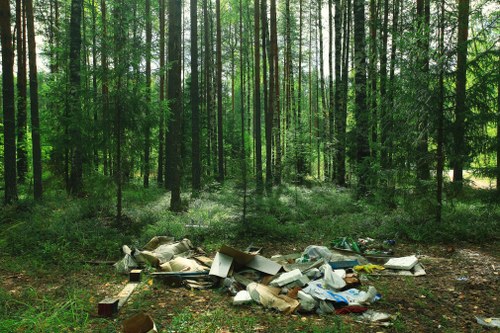
Not every garden needs the same level of intervention. Some jobs are limited to a simple remove-and-go service, while others involve more extensive clearing where the waste is spread across beds, paths and storage corners. A sensible quotation starts with the amount of material, the type of waste and any constraints created by access or loading. It also helps to distinguish between loose garden waste and objects that are heavier, awkward or likely to need two-person handling. That distinction often affects the time and effort involved.
A useful rule is to think in terms of what must be cleared for the space to become functional again. If the garden contains old outdoor fittings, collapsed containers or mixed material left from previous jobs, note those separately because they may change how the clearance is planned. We can then respond with a quote that reflects the actual scope rather than a generic estimate. In commercial terms, that gives you a clearer comparison and a more realistic expectation of the work.
Short requests are often enough to begin. Tell us what needs removing, mention the size of the area and include any access details that matter. If you have already separated some of the waste, say so; if the whole space needs clearing, say that too. A little detail at the outset usually leads to a smoother response and a quotation that better matches the job.
Garden clearance for larger property clean-ups
Garden clearance is often part of a wider property clean-up, especially where outdoor storage, side returns, sheds, lofts or garages have all been used to hold items over time. In those situations, the garden may be one part of a larger accumulation that needs removing in stages. Our service can fit into that broader pattern by focusing on the external area first, then dealing with whatever else is planned through the relevant removal pages. That keeps the work organised and makes it easier to decide what should go together.
Some outdoor jobs are dominated by bulky pieces rather than loose waste. Broken benches, damaged planters, timber offcuts, torn netting, old watering equipment and collapsed storage items can all make a garden feel full even when the surface waste is limited. Removing those pieces can transform the practical use of the space. If the clearance is linked to renovation or landscaping, it is often helpful to clear the area before any new materials arrive, rather than trying to work around the clutter afterwards.
Where that broader clean-up involves other parts of the property, our house clearance page may be useful for internal domestic items, and our garage clearance service can help where stored objects have spilled into the outdoor area. The best plan is usually the one that separates indoor and outdoor loads clearly enough to keep the work manageable.
How we plan the removal work
Planning a garden clearance usually begins with three practical questions: what is present, where is it located and how will it leave the property? Once those points are clear, the rest of the job can be arranged around the load and the access. That process matters because garden waste is rarely uniform. A few heavy pieces may take more effort than a larger number of light cuttings, so a good plan looks beyond volume alone and considers the handling involved.
When customers contact us, it helps to describe whether the garden is tidy but cluttered, heavily overgrown or part-cleared already. Each version changes the shape of the work. If the area is already partly sorted, the remaining task may be quicker; if not, the clearance may involve more sorting before loading begins. Accurate detail produces a better fit between the job and the quotation, which is useful for both sides and keeps the service straightforward.
To continue, you can use our contact page to make an enquiry once you know the general scope, or review about us if you want a simple introduction to the business pages available on this site. If you are still deciding, a plain text request for a quotation is perfectly fine and does not need to be long.
Materials, sorting and disposal choices
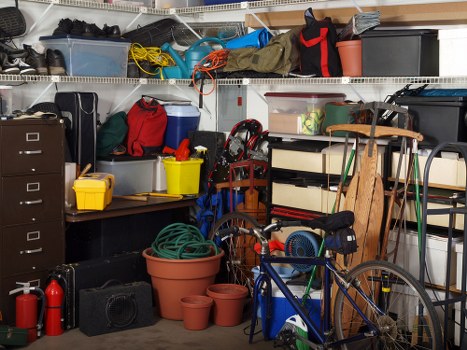
Garden clearance often benefits from basic sorting at the point of removal. Green waste, timber, metal, hard plastic, general outdoor rubbish and reusable items may each need a different handling approach. That does not mean the customer has to pre-sort everything into tidy categories; it simply means the service can be more efficient when the material is described clearly. If you know there are distinct item types, mention them so the collection can be organised sensibly from the outset.
Disposal decisions matter because the outward appearance of a garden does not always reveal the nature of the waste. A pile of branches may be straightforward, while a mixed heap of garden debris, broken fixtures and aged household items can be more complex. When the mix is unusual, it is best to be specific. Mixed loads are easier to quote for accurately when the descriptions reflect the real contents, not just a rough guess. That is one of the main reasons we encourage concise but honest details.
For customers who want to read more before getting in touch, our furniture disposal page explains how unwanted pieces are handled, while our business waste removal service may suit commercial premises with outdoor storage areas or landscaped grounds that need clearing. Each page covers a distinct type of work, so it is worth matching the service to the waste you actually have.
About Stoke Newington
Stoke Newington is a district in north London within the London Borough of Hackney, long associated with a strong village-like identity despite its urban setting. Its history stretches from a small settlement around the medieval manor to an area shaped by later suburban growth and, eventually, by the railways and road connections that linked it more closely to the rest of London. The district is known for its conservation areas, including streets of Georgian and Victorian houses that give much of the neighbourhood a coherent architectural character. Church Street forms one of the best-known local corridors, combining shops, cafés and civic buildings with a walkable street pattern that still reflects older urban layers. The area also has notable religious and cultural landmarks, among them St Mary’s Old Church and St Mary’s New Church, which stand as reminders of the parish’s long continuity. Clissold Park is one of the most important green spaces nearby, with open lawns, mature trees, a small lake and the Clissold House building, while Abney Park Cemetery provides a very different landscape, combining memorial architecture, historic planting and a strong sense of nineteenth-century design. The district has also been shaped by its social diversity and by the changing use of former industrial and residential spaces, giving it a character that is both settled and varied. Even today, Stoke Newington remains known for its independent-minded atmosphere, local streets and accessible parks, which together create a distinctive urban environment rather than a single uniform centre.
Household garden waste and outdoor item clearances

Many garden clearances start as a simple domestic task and then become more involved once the full amount of material is seen. Household outdoor items can build up after a move, renovation, tenancy change or seasonal tidy-up, and the garden becomes the place where unwanted things are left temporarily. Our service is suitable for those one-off clearances because it is designed to remove the material in an organised way rather than leaving the customer to arrange several separate trips. That is especially useful where a property needs to be ready for work, sale or further improvement.
We can help with items that have gathered outside as well as waste produced by pruning or cutting back. If the garden includes old toys, plant containers, damaged accessories or worn furniture, those pieces can usually be removed as part of the same job when they are described clearly in advance. The main point is to keep the request practical. When the load is set out sensibly, the removal can be planned to suit the actual work, and the quotation can reflect the mixture of items rather than only the most visible part of the mess.
If you are ready to move ahead, use the contact page to request a quotation in plain terms: what needs removing, where it is and whether the access is simple or awkward. If the job is urgent in your planning, say so, but keep the request focused. A clear, calm description is usually the best starting point for a useful response, and it gives you a better basis for deciding how to proceed.