Stoke Newington Church Street rubbish removal guide
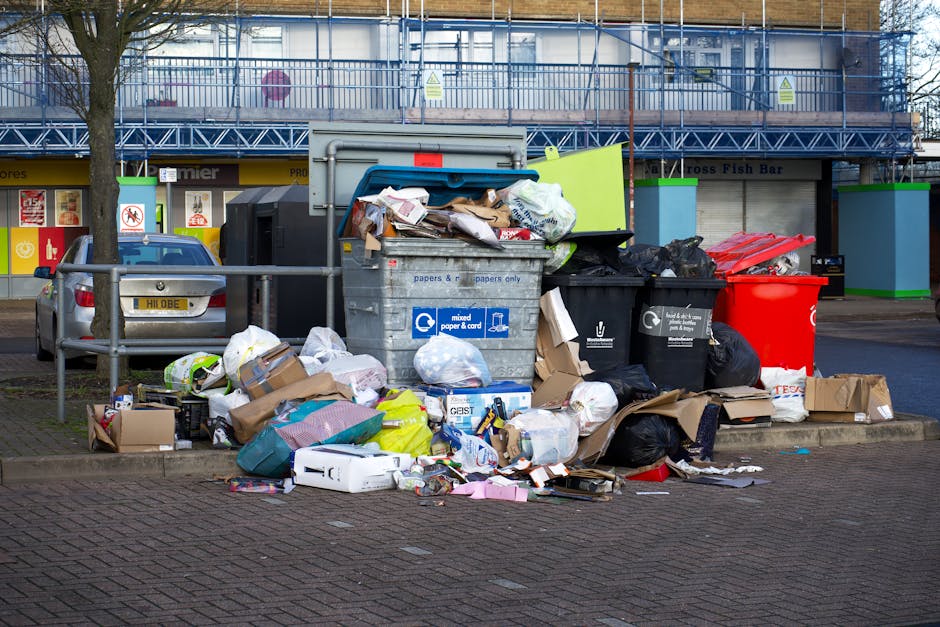
If you are dealing with a flat full of boxes, an end-of-lease clear-out, or a few bulky items that somehow became a small mountain, this Stoke Newington Church Street rubbish removal guide is here to make the job feel manageable. Church Street is busy, characterful, and not always the easiest place to shift waste from, especially if you are working around parked cars, narrow entrances, or a tight schedule. The good news? With the right plan, rubbish removal can be tidy, quick, and far less stressful than people expect.
This guide walks you through how rubbish removal works on and around Stoke Newington Church Street, what to consider before booking, how to avoid the usual headaches, and when a professional clearance service is the sensible choice. A bit of preparation goes a long way. Honestly, it really does.
Why Stoke Newington Church Street rubbish removal guide Matters
Stoke Newington Church Street has a very specific rhythm. It is lively, lined with homes, shops, cafes, and the kind of mixed-use spaces that can accumulate all sorts of unwanted stuff. Old chairs, packaging from refurbishments, garden cuttings, broken appliances, office clutter, bagged waste, and leftover builders' debris all show up here. If you do not have a proper rubbish removal plan, that clutter can quickly get in the way.
That matters for a few reasons. First, clutter is inconvenient. It makes it harder to move, clean, decorate, or reopen a space. Second, waste left too long can create odours, attract pests, and become a safety issue. Third, in a street like this, access and timing are not small details. A skip on a narrow road may be awkward or simply the wrong fit, while a man-and-van style clearance can be a cleaner solution for many jobs.
In practice, people search for a rubbish removal guide because they want clarity. What can be taken? What should be separated? How much disruption should you expect? And how do you know whether you need a simple collection or something more involved, like house clearance or flat clearance? Those are the real questions, not the glossy ones.
Expert summary: On Church Street, the best rubbish removal plan is usually the one that matches access, volume, and timing. The fanciest option is not always the right one. The practical one usually wins.
Table of Contents
- Why Stoke Newington Church Street rubbish removal guide Matters
- How Stoke Newington Church Street rubbish removal guide Works
- Key Benefits and Practical Advantages
- Who This Is For and When It Makes Sense
- Step-by-Step Guidance
- Expert Tips for Better Results
- Common Mistakes to Avoid
- Tools, Resources and Recommendations
- Law, Compliance, Standards, or Best Practice
- Options, Methods, or Comparison Table
- Case Study or Real-World Example
- Practical Checklist
- Conclusion
- Frequently Asked Questions
How Stoke Newington Church Street rubbish removal guide Works
At its simplest, rubbish removal is the process of collecting unwanted items or waste from your property, sorting it where needed, and taking it away for disposal, reuse, or recycling. The exact process depends on the type of waste and the amount involved. A good service will usually start with a quick assessment, either from photos, a description, or an on-site look if the job is larger.
For smaller collections, a team may be able to load items straight away. For bigger clearances, they might split the job into stages: remove bulky items first, then smaller bagged waste, then any recyclable material. You will often see this approach with mixed domestic waste, post-renovation debris, or a property that needs a full reset before new tenants arrive.
It is worth noting that not every removal is the same. For example, if the job includes broken wardrobes, mattresses, or mixed household waste, a provider may group it with furniture disposal or furniture clearance. If it involves leftover plasterboard, timber offcuts, or renovation rubble, the more suitable route may be builders waste clearance.
On Church Street, timing matters too. Morning pick-ups are often easier for access, while later visits may suit shops or offices after trading hours. If your space is in a shared building, tell the provider about stairs, narrow hallways, access codes, loading restrictions, or the lack of a lift. Those little details save a lot of faff on the day.
Key Benefits and Practical Advantages
There is a reason professional rubbish removal stays popular in London. It solves several problems at once.
- Less lifting for you: No dragging heavy items downstairs on your own, which is especially helpful in older buildings and upper-floor flats.
- Cleaner finish: A proper clearance removes the clutter, not just the obvious bits. That includes awkward corners, hallways, and dead space behind furniture.
- Flexible for mixed waste: You can often clear furniture, garden cuttings, broken appliances, packaging, and general junk in one visit.
- Better for busy streets: On a road like Church Street, a well-planned collection can be less disruptive than a skip left outside for days.
- More efficient turnaround: If you are preparing a property for sale, let, refurbishment, or a move, speed matters more than people think.
There is also a mental benefit. Clutter wears on you. One chair too many is annoying; a room full of surplus stuff starts to feel heavy. Once it is gone, the space opens up again. You notice the light. The air feels clearer. Slightly dramatic, maybe, but true enough.
For businesses, the advantage is even simpler: rubbish out, work back to normal. If you run a shop, studio, or office nearby, a service like business waste removal or office clearance can keep day-to-day operations from being interrupted.
Who This Is For and When It Makes Sense
This guide is useful for more people than you might expect. It is not only for landlords or people doing a giant spring clean. In fact, some of the most common jobs are pretty ordinary.
- Tenants moving out of a flat and leaving behind bulky items
- Landlords preparing a property for new occupants
- Homeowners clearing a loft, garage, or spare room
- Local shops and cafes dealing with packaging, fixtures, or non-hazardous waste
- Tradespeople who need leftover materials removed after a small renovation
- Families handling an inherited property or a long-postponed declutter
It makes sense to book rubbish removal when the waste is too much for normal bins, too bulky for easy transport, or simply too inconvenient to handle yourself. A couple of black bags? Fine. A dismantled wardrobe, four boxes of mixed junk, a broken exercise bike, and some old paint tins? That is a different story altogether.
It also makes sense when access is awkward. Church Street can be lively and narrow in places, so if you need quick loading without leaving waste hanging around outside, a scheduled removal is often the cleaner option. If your space is a smaller home or apartment, you may also find that home clearance is the better fit because it handles the job in one coordinated visit.
Step-by-Step Guidance
If you want a smoother experience, follow a simple process. Nothing fancy. Just methodical.
- Sort the waste by type. Put furniture, general rubbish, reusable items, and any potentially hazardous materials into separate groups. You do not need perfection, just a bit of order.
- Take clear photos. This helps when requesting a quote and reduces the chance of surprises on the day.
- Check access. Think about stairs, parking, loading space, and whether the items need to be carried through a narrow hallway or up from a basement.
- Measure bulky items. A rough size is often enough. That one awkward sofa is never as small as you hope it is.
- Choose the right type of clearance. Match the job to the waste. Garden waste, office clutter, loft contents, and builders' debris all need slightly different handling.
- Confirm what should stay. If the crew is clearing a room or property, label anything you want kept. Do this before they arrive, not while they are already lifting things.
- Arrange the collection window. On a busy street, a realistic time slot helps everything run more smoothly.
- Prepare payment and paperwork. Read the service terms and make sure you are comfortable with the booking details.
If the job includes a lot of household overflow, a garage clearance or loft clearance style approach can be a useful reference point, even if the waste is not literally in a garage or loft. The idea is the same: remove the hidden build-up, not just the obvious pile by the door.
Expert Tips for Better Results
Here is the sort of advice that tends to save people time and money.
First, do not mix everything together if you can avoid it. Reusable items, recyclable materials, and general rubbish are easier to manage when they are separated. A little sorting upfront can make the whole clearance feel less chaotic.
Second, be honest about the volume. Underestimating waste is one of the fastest ways to create stress. If you think it might be a van-and-a-half, say so. If it is just a few bulky pieces, say that too. Accuracy helps.
Third, photograph tricky access points. A low ceiling, tight staircase, or awkward basement entrance can change how a team handles the job. You would be surprised how often that one detail matters.
Fourth, ask how recyclables are separated. A reputable provider should have a sensible process for sorting usable or recyclable waste. If sustainability matters to you, that is a fair question.
Fifth, plan around the street itself. Church Street can be busy, so avoid the sort of pickup timing that collides with your own deliveries, visitors, or peak foot traffic. A calm ten-minute load is better than a rushed half-hour scramble.
And one more thing. If you are clearing a property after a long pause, expect to find odd bits: cables that lead nowhere, a single shoe, half a curtain rail, maybe a plant pot from 2009. It happens. Almost always.
Common Mistakes to Avoid
Most rubbish removal problems come from a handful of avoidable mistakes.
- Leaving it until the last minute. A rushed booking often means less choice and more pressure.
- Forgetting about access restrictions. A team arriving to discover no loading space is a preventable headache.
- Not separating hazardous items. Some materials need special handling and should not be mixed into general waste.
- Assuming all waste can be taken together. Not everything belongs in the same pile. That matters for safety and responsible disposal.
- Leaving valuables unlabelled. Books, documents, keepsakes, and chargers have a habit of looking like junk until they are already in the van.
- Choosing purely on price. Cheap is not always cost-effective if the service is slow, unclear, or badly organised.
A small example: someone clearing a flat on Church Street may think, "It is only a few bags and a chair." Then the hallway reveals three more bags, a dismantled desk, two broken lamps, and a mattress. That is not unusual. It is just life.
Tools, Resources and Recommendations
You do not need much to prepare well, but a few simple tools make the process easier.
- Strong bin bags or rubble sacks for loose waste and smaller items
- Masking tape and labels to mark items you want to keep
- Gloves for basic sorting and protection while tidying up
- A tape measure for large furniture, especially if access is tight
- Phone photos to document the job and help with quoting
When you are choosing a service, it helps to look for practical features rather than vague promises. Clear communication, sensible pricing information, and a straightforward process matter a lot. If you want to understand how quotations are usually handled, the pricing and quotes information can help set expectations before you book.
For customers who care about what happens after collection, it is also worth reading about recycling and sustainability. It gives you a better sense of whether the service is set up to handle waste responsibly, rather than simply shifting it from one place to another.
Law, Compliance, Standards, or Best Practice
Rubbish removal is not just about lifting and loading. In the UK, waste handling should be done responsibly, and it is sensible to use a provider that understands its obligations around disposal, safety, and recycling. You do not need to become an expert in waste law to make a good choice, but you should expect a professional service to act carefully.
As a customer, the main principle is simple: do not leave waste with anyone who cannot explain how it will be handled. If you are booking a clearance for business premises, there may also be additional expectations around record-keeping, site safety, and minimising disruption. That is especially relevant for offices and retail spaces.
For residential jobs, safety and access are just as important. Good practice usually includes:
- careful lifting and carrying
- protecting floors and walls where needed
- keeping entrances clear
- sorting waste sensibly
- avoiding unnecessary disturbance to neighbours
If the work involves builders' debris or a renovation project, a service should take extra care around sharp materials, dust, and load handling. That is why some jobs are better suited to builders waste clearance rather than a generic collection. Different waste, different mindset.
Trust matters here. So do basic things like insurance, health and safety practices, and clear terms. If you want reassurance before booking, the site's insurance and safety information and health and safety policy are sensible places to look. If you are the sort of person who checks the small print, fair enough. That is usually the right instinct.
Options, Methods, or Comparison Table
Different waste removal methods suit different situations. Here is a straightforward comparison.
| Method | Best for | Advantages | Limitations |
|---|---|---|---|
| Man-and-van rubbish removal | Mixed waste, bulky items, quick clearances | Flexible, fast, less hassle in busy streets | May not suit very large volumes |
| Skip hire | Longer DIY projects with steady waste output | Handy if you are generating waste over several days | Needs space, permits may be required, can sit outside for a while |
| Full property clearance | Moves, probate, hoarded rooms, end-of-tenancy resets | Most comprehensive, handles large and mixed contents | More involved planning, not always necessary for small jobs |
| Specialist clearance | Furniture, offices, garages, lofts, gardens | Tailored to the space and waste type | Needs accurate description of the contents |
For many Church Street properties, the best option is the one that keeps disruption down while solving the problem in one visit. A small flat with bulky furniture might need a flat clearance. A cluttered workspace may be better handled through office clearance. A neglected shed, kitchen, or garden corner could point you toward a more specific service. Matching the method to the mess is the whole game, really.
Case Study or Real-World Example
Picture a first-floor flat just off Stoke Newington Church Street. The residents are moving, the hallway is narrow, and the living room has become a holding area for years of life: a sofa, two old dining chairs, a broken shelf, three bags of mixed bits, and some cardboard from a recent delivery. Nothing dramatic. Just enough to make the place feel cramped and oddly tiring.
They start by sorting what stays, what can be recycled, and what needs to go. They take a few photos, measure the sofa, and note the stairs and entry point. Then they arrange a collection for a quieter part of the day. On arrival, the team removes the larger items first, follows with the smaller waste, and leaves the room ready for a cleaner, simpler finish.
The useful part here is not the size of the job. It is the process. There is no panic, no last-minute guesswork, and no arguing with a sofa that refuses to fit through a door. The result is calm, and a bit of breathing room. You can almost hear it, that quiet after the clutter is gone.
If the same property had been full from floor to ceiling with long-kept belongings, the job might have needed a fuller home clearance or even house clearance approach. That distinction matters because it changes planning, timing, and how the contents are handled.
Practical Checklist
Use this checklist before your rubbish removal booking.
- Decide exactly what needs to go.
- Separate keep, donate, recycle, and dispose piles.
- Take clear photos of the waste.
- Measure bulky items and awkward furniture.
- Check access, stairs, parking, and loading space.
- Confirm whether the job is domestic, commercial, or mixed.
- Ask about recycling and disposal handling.
- Look over pricing details and service terms.
- Set aside anything you do not want removed.
- Make sure the collection time fits your day and your neighbours.
If you are dealing with leftover outdoor waste, the same checklist still applies, though you may want to think in terms of garden clearance or outdoor storage areas. And if the clutter is in a side room, basement, or tired old storage corner, a garage clearance style approach can be surprisingly effective.
One last note: if you are uncertain, ask. A good provider would rather answer a plain question than deal with a surprise on collection day.
Conclusion
A Stoke Newington Church Street rubbish removal guide should make one thing clear: getting rid of unwanted waste does not have to be complicated, but it does work best when you plan a little. Know what you have, think about access, choose the right type of clearance, and pay attention to the practical details that busy London streets tend to demand.
Whether you are clearing a flat, emptying an office, or finally dealing with that mysterious pile that has been living in the corner for months, the right approach saves time, reduces stress, and makes the whole place feel lighter. That is the real value here. Not just empty space, but a sense that things are back under control.
Get a free quote today and see how much you can save.
If you are ready to take the next step, reach out through the site's contact page and get the conversation started. Sometimes the hardest part is simply deciding to do it. After that, things tend to move quickly.
Frequently Asked Questions
What is included in rubbish removal on Stoke Newington Church Street?
It usually includes the collection and removal of general unwanted items, bulky household waste, old furniture, bagged rubbish, and similar non-hazardous materials. The exact scope depends on the job and the service you book.
How do I know whether I need rubbish removal or a full clearance?
If you only have a few bulky or mixed items, a rubbish removal visit may be enough. If you are clearing an entire room, property, loft, or office, a more complete clearance service is usually the better fit.
Can rubbish removal handle furniture as well?
Yes, in many cases it can. Large items such as sofas, tables, wardrobes, and chairs are often taken as part of furniture clearance or furniture disposal, depending on what needs to go.
Is rubbish removal suitable for flats on Church Street?
Absolutely, and it is often the most practical option. Flats can have awkward access, stairs, and limited storage, so a planned collection helps reduce disruption.
What should I do before the collection day?
Sort your waste, label anything you want to keep, take photos, and check access. If possible, move items to an easier pickup point so the process is faster and smoother.
How much does rubbish removal cost?
Costs vary depending on the volume, type of waste, access, and labour involved. It is best to request a tailored quote rather than rely on a rough guess, especially for mixed or bulky loads.
Can builders' waste be removed from a property near Church Street?
Yes. Renovation debris, timber, plasterboard, and similar materials can often be handled through builders waste clearance, provided the waste is described clearly and safely.
What happens to the rubbish after collection?
It is normally sorted for reuse, recycling, or disposal depending on the material type and condition. If sustainability matters to you, look at the provider's recycling approach before booking.
Can I book rubbish removal for an office or shop?
Yes. Commercial premises often need waste removed after refurbishments, stock changes, clear-outs, or relocations. In those cases, business waste removal or office clearance can be the best route.
Do I need to separate everything myself?
Not always. Some services will sort the waste on site, but it helps a lot if you separate obvious categories first. A little prep goes a long way, and to be fair, it usually makes the quote easier too.
What if I have items in a loft or garage?
Those are common jobs. A loft clearance or garage clearance approach is often useful when the waste has built up in a storage area over time.
How do I choose a trustworthy rubbish removal service?
Look for clear communication, sensible pricing information, safety practices, and a straightforward explanation of how waste is handled. It should feel organised, not vague. If it feels vague, that is your cue.