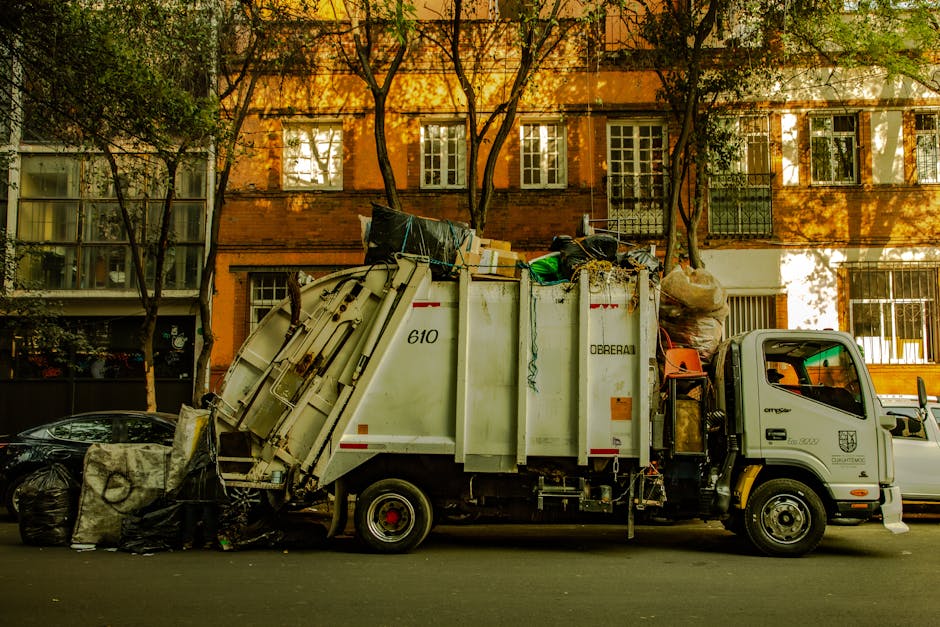
N16 postcode bulky rubbish pickups what to expect: a practical guide for local residents
If you are planning N16 postcode bulky rubbish pickups what to expect, you probably want two things: a clear idea of the process and a result that does not turn into a half-day headache. Fair enough. Whether you are clearing an old sofa, a broken wardrobe, a stack of flat-pack offcuts, or the contents of a loft that has quietly filled up over the years, bulky rubbish removal in N16 should feel straightforward, tidy, and predictable.
This guide explains what usually happens before, during, and after a bulky rubbish pickup in the N16 area. You will learn how the service tends to work, what to prepare, where delays often happen, and how to avoid the little mistakes that make a simple job feel messy. We will also cover practical checks around access, compliance, and disposal, because let's face it, nobody wants to be the person wrestling a mattress through a narrow stairwell at 8:15 on a damp morning.
Expert summary: A good bulky rubbish pickup should be quick to book, clear on what is included, careful with access and safety, and transparent about what happens to the waste afterwards. The smoother your prep, the smoother the pickup.
Why N16 postcode bulky rubbish pickups what to expect Matters
N16 covers a busy part of North London, where homes, flats, shared entrances, and tight streets can make even a modest removal more involved than it first appears. That is why knowing what to expect matters so much. A bulky waste job is not just about lifting heavy items. It is also about access, timing, lifting safety, and making sure the waste goes to the right place afterwards.
When people are unsure about the process, they often leave things too late. Suddenly the hallway is blocked, the spare room is unusable, or the landlord has asked for the flat to be cleared before the weekend. In those moments, a clear plan saves stress. A proper pickup should make the whole thing feel manageable, not dramatic.
There is also the trust side of it. Good disposal practice matters because you want items handled legally and responsibly. In the UK, waste must be dealt with properly, and reputable providers should be able to talk clearly about collection, sorting, and recycling. That does not need to be complicated, but it does need to be organised.
Practical point: the more awkward the item, the more useful a well-planned pickup becomes. A broken freezer, a heavy corner sofa, or a pile of damp garden waste all need slightly different handling. That is normal.
How N16 postcode bulky rubbish pickups what to expect Works
In most cases, a bulky rubbish pickup follows a fairly simple pattern. You request a quote or booking, describe the items, confirm access, and choose a collection slot. The team then arrives, loads the agreed items, and removes them for sorting and disposal. Simple on paper. In real life, a few details matter more than people expect.
First, the provider usually wants to know what the items are. A single armchair is one thing; a mix of furniture, white goods, and builder's offcuts is another. Photos help, especially if the items are bulky, awkward, or stored in a basement, loft, or upper-floor flat. If you are using a service such as furniture clearance, giving an accurate description helps prevent surprises on the day.
Second, access is a big deal in N16. Think narrow front paths, controlled entry systems, narrow staircases, parking constraints, and neighbours who are not thrilled by an untidy hallway. The pickup team needs to know whether they can park nearby, whether they will need to walk items through communal areas, and whether there are lift restrictions. In flats, these details can make the difference between a quick collection and a more awkward one.
Third, the loading process should be tidy and careful. A good team will protect flooring where needed, avoid banging items around, and carry things out in a way that respects the property. You should not need to hover anxiously in the doorway. If you are doing a broader declutter, services like home clearance or house clearance can be a better fit than trying to move item by item.
After collection, the waste is usually separated for reuse, recycling, and disposal. The exact route depends on the material type. Good providers talk about this clearly. That transparency matters, especially when you are trying to keep your clearance clean and above board.
Key Benefits and Practical Advantages
The obvious benefit is convenience. You get rid of large items without hiring a van, lifting them yourself, or trying to persuade a friend to spend Saturday morning hauling an old mattress down three flights of stairs. But there is a lot more to it than convenience alone.
- Less disruption: a well-run pickup gets awkward items out fast, which frees up rooms, hallways, and storage spaces.
- Safer handling: heavy furniture and mixed rubbish can cause injuries if moved badly. A trained team reduces that risk.
- Better waste sorting: reusable items and recyclable materials can often be separated from general waste.
- Fewer access problems: experienced crews know how to handle stairs, shared entrances, and tight parking.
- More predictable costs: when the service is quoted properly, you are less likely to face messy last-minute surprises.
For local residents, there is also a time-saving angle. In a busy area like N16, time is not just money. It is energy. It is the difference between "we got it sorted" and "we spent all day moving one table and a broken wardrobe." To be fair, nobody needs that kind of weekend.
Another advantage is flexibility. If you have just one awkward item, a small pickup may be enough. If you are emptying a flat, garage, or loft, a fuller clearance may make more sense. For example, a loft job can turn into a small treasure hunt, then a dust cloud, then a pile of things you forgot existed. That is exactly where a broader service such as loft clearance becomes useful.
Who This Is For and When It Makes Sense
N16 postcode bulky rubbish pickups what to expect is most relevant if you have items that are too large, too heavy, or too awkward for standard household waste collection. That could be a one-off item after a furniture upgrade, or a larger clear-out after renovation, moving house, or downsizing.
It makes sense for:
- tenants who need to clear bulky items before the end of a tenancy
- homeowners replacing old furniture or appliances
- landlords dealing with leftover items after a move-out
- small businesses clearing office furniture or surplus stock
- people emptying garages, lofts, or storage spaces
- anyone who needs waste removed quickly and responsibly
If you are clearing a shared flat, an upper-floor apartment, or a property with limited storage, the timing matters even more. A bulky item can become a nuisance very quickly when it blocks an entrance or takes over a living room corner. In those situations, a focused pickup is often the least stressful route.
For mixed property jobs, you may need something broader than a single-item pickup. That is where services such as flat clearance, garage clearance, or even office clearance can be a better fit. The key is matching the service to the job, not the other way around.
Step-by-Step Guidance
Here is the practical version, the version that actually helps on the day.
- List the items clearly. Write down what needs removing. Include approximate sizes if you can.
- Take a few photos. A wide shot and a close-up or two usually do the trick. This is especially useful for bulky furniture, awkward corners, or anything stored in a difficult spot.
- Check access. Think parking, stairs, lifts, gates, codes, and any time restrictions in your building.
- Ask what is included. Make sure you know whether loading, labour, and disposal are all covered in the quote.
- Separate anything staying. It sounds obvious, but it is easy to leave a charger, remote, or document in the pile. Happens all the time.
- Move light items out of the way. Clear the route so the crew can get to the bulky items without wasting time or bumping into things.
- Be available at collection time. Someone should be on hand to confirm what goes and what stays.
- Ask about sorting and recycling. A reputable team should be able to explain how items are handled after collection.
If your job includes mixed waste from a renovation or repair, a service such as builders waste clearance may be more suitable than a simple furniture pickup. Same with heavier or more mixed domestic waste: waste removal is often the better label when the job spans several categories.
Small but useful tip: put a note on items that must stay. A handwritten sticky note on a lamp, a bag, or a box can save a lot of confusion. Slightly old-school, yes. Effective too.
Expert Tips for Better Results
In our experience, the smoothest pickups always come down to preparation. Nothing fancy. Just good habits.
- Measure doorways and stair turns if the item is very large. A sofa may fit your room but still hate the corridor.
- Be honest about condition. If an item is water-damaged, broken apart, or partly dismantled, say so early.
- Disassemble where sensible. Flat-pack furniture, bed frames, and shelving units are often easier to remove in sections.
- Keep communal spaces clear. This matters in blocks of flats where neighbours and building managers are involved.
- Group similar items together. It speeds up loading and reduces the chance of mix-ups.
- Plan for the weather. A wet morning in London can make cardboard soggy and steps slippery. Not ideal.
If you are dealing with furniture specifically, it can help to think in terms of reuse versus disposal. A service focused on furniture disposal may suit broken or damaged pieces, while furniture clearance is often better for mixed items and larger jobs. The difference sounds small, but it can matter when the load includes a bit of everything.
One more thing: if you are arranging a clearance for someone else, such as a family member or a rented property, make sure you have the authority to dispose of the items. It avoids awkward calls later, and awkward is not a great look for a pickup day.
Common Mistakes to Avoid
Most problems are preventable. Usually they come from one of a few familiar mistakes.
- Underestimating the volume: "just a few bits" can become half a van once you start moving things.
- Forgetting access details: parking restrictions, locked gates, and tight staircases can slow the job down.
- Mixing items unintentionally: if something must stay, keep it well away from the collection pile.
- Assuming everything is allowed: some items may need special handling or a different disposal route.
- Not asking about recycling: if you care where the waste goes, ask before booking.
- Leaving the booking too late: if you have a move-out deadline, build in breathing room.
A common one is the "I thought it was all going" problem. Someone leaves a pile of old items in a hallway, assumes the team will know the full scope, then discovers a couple of items were not included in the quote. Nobody likes that moment. A quick item list fixes most of it.
Also, do not forget safety. Broken glass, sharp metal, and splintered wood can turn a simple pickup into a nasty little surprise. Keep hazardous or dangerous items separate and mention them during booking if relevant.
Tools, Resources and Recommendations
You do not need special equipment for most bulky pickups, but a few simple tools help a lot:
- Tape measure: useful for checking whether large furniture can move through a route cleanly.
- Marker pen and labels: handy for separating what stays and what goes.
- Phone camera: a couple of photos can save time and prevent miscommunication.
- Basic gloves: useful if you are sorting through dusty or rough items before collection.
- Bin bags or boxes: good for loose small pieces that would otherwise scatter around.
For people dealing with larger domestic clear-outs, this is where it helps to look at the type of job rather than only the item type. If a loft, garage, or home is being emptied in one go, the right service can save several separate bookings. You may find that home clearance, garage clearance, or loft clearance is a better fit than arranging one bulky collection after another.
If you care about reuse and recycling, it is also worth choosing a provider that can explain its sorting approach in plain English. That is a good sign. No fluff, just clarity. And if you want to understand wider environmental commitments, a page like recycling and sustainability should give a useful overview.
Law, Compliance, Standards, or Best Practice
Waste removal in the UK is not something to treat casually. You do not need to become a compliance expert just to get rid of a sofa, but it helps to know the basics. Waste should be carried, stored, and disposed of responsibly. Reputable operators should be able to explain their process and handle items in line with accepted waste management practice.
From a customer perspective, the main thing is to use a provider that behaves professionally. That means clear pricing, sensible handling, and no vague promises. If you are comparing options, check whether the business has visible policies covering things like health and safety, insurance and safety, and terms and conditions. Those pages are not just paperwork. They tell you how the business thinks about risk and customer care.
For businesses and landlords, this becomes even more important. Office equipment, trade waste, and multi-property clearances can involve more moving parts. A provider that understands business waste removal is often better prepared for paperwork, access arrangements, and mixed materials.
Good practice in plain terms: know what is being taken, know who is taking it, and know roughly where it is going. That is the standard that keeps things clean, simple, and defensible.
Options, Methods, or Comparison Table
Different kinds of bulky waste jobs suit different approaches. Here is a simple comparison to help you think it through.
| Option | Best for | Typical strengths | Watch-outs |
|---|---|---|---|
| Single bulky pickup | One or two large items | Quick, simple, usually minimal disruption | May not suit mixed waste or larger loads |
| Furniture clearance | Multiple furniture items | Good for sofas, beds, tables, wardrobes | Access and size details matter more |
| Home or house clearance | Whole-room or whole-property jobs | Efficient for larger clear-outs | Needs clearer planning and more time |
| Garage or loft clearance | Stored items, forgotten clutter, mixed objects | Ideal when the space is overloaded | Can uncover more waste than expected |
| Builders waste clearance | Renovation debris and offcuts | Good for heavier, mixed post-work waste | Some materials may need special handling |
If you are unsure which route fits your situation, think about volume first, then access, then item type. That order helps more than most people realise. A single bulky item in a top-floor flat may be harder than a mixed load in a driveway-access property. Strange, but true.
Case Study or Real-World Example
A typical N16 scenario might look like this: a couple are moving out of a two-bedroom flat and want an old sofa, a broken mattress, a shelving unit, and a pile of unused items removed before the final handover. The hallway is narrow, there is a shared entrance, and parking is tight on the street. They take photos, list the items, and mention that the sofa has to come down one flight of stairs with a bend at the bottom.
On the day, the team arrives with the right equipment, checks access, and loads the items without dragging them through the building. The couple has already separated the things they are keeping, so there is no confusion. Everything is done in one visit. No repeated lifting. No frantic last-minute sorting. Just done.
What made it work? Clear information, realistic expectations, and a little preparation the evening before. That is usually the pattern. Not glamorous, but it works.
Another common example is a homeowner clearing a garage after years of "I might need that someday" storage. You know the scene: cracked plant pots, a rusty bike pump, a broken chair, an old fan, and a mystery box nobody has opened since 2017. A good clearance team will not judge. They have seen worse. Much worse, frankly.
Practical Checklist
Use this quick checklist before your pickup.
- List every item that needs removing
- Take photos of bulky or awkward pieces
- Confirm access, parking, and entry codes
- Separate items that must stay
- Check whether items need disassembly
- Ask what is included in the quote
- Confirm the collection time and contact method
- Ask how the waste will be sorted or recycled
- Keep routes clear on collection day
- Make sure someone can answer questions on site
Quick sanity check: if you would be annoyed to lift it twice, mention it twice. Better to over-communicate slightly than discover a problem at the kerb.
Conclusion
When you understand N16 postcode bulky rubbish pickups what to expect, the whole process becomes much less intimidating. You are not just booking someone to take away old stuff. You are arranging a practical, local, time-saving service that should be safe, tidy, and clear from start to finish.
The best pickups are the ones you barely have to think about after booking. You prepare the basics, the team handles the lifting, and the space is suddenly usable again. That can feel like a small win, but it is a proper one. A cleared room, a clear hallway, a less cluttered life. It all adds up.
If you are comparing service options, looking at related clearance pages, or planning a bigger job alongside your pickup, take a moment to check the provider's policies, pricing, and recycling approach. A few minutes now can save a lot of hassle later. And honestly, that is time well spent.
Get a free quote today and see how much you can save.
Sometimes the relief of seeing empty space again is the best part. Quiet rooms, clear floors, less noise in your head. Not bad for one pickup.
Frequently Asked Questions
What items are usually included in a bulky rubbish pickup in N16?
Common items include sofas, beds, mattresses, tables, chairs, wardrobes, white goods, and general bulky household waste. Exact acceptance depends on the provider and the item condition.
How do I know whether I need bulky rubbish pickup or full clearance?
If you have one or two large items, a pickup is often enough. If you are clearing several rooms, a flat, a garage, or a loft, a fuller clearance service is usually more practical.
Do I need to move items outside before collection?
Not always. Many services include loading from inside the property, but access, parking, and building layout will affect what is possible. Always confirm this before booking.
What should I tell the team before they arrive?
Share the item list, photos if possible, access details, parking restrictions, floor level, and any tricky lifting points. The more accurate the information, the smoother the pickup.
Can bulky rubbish pickups handle furniture from flats?
Yes, provided the provider knows about stair access, lifts, communal areas, and any restrictions. Flat collections are often routine, but the building details matter a lot.
How far in advance should I book a bulky pickup?
That depends on urgency and availability. If you have a move-out date or a tight deadline, book as early as you can so you are not left scrambling at the last minute.
What happens to the waste after it is collected?
Reputable providers sort items for reuse, recycling, and disposal where possible. The exact process depends on the material and the condition of the items.
Are there items that may need special handling?
Yes. Some items may need extra care, separate handling, or a different disposal route. If something is hazardous, very heavy, or unusual, mention it before the visit.
How can I reduce the cost of a bulky rubbish pickup?
Be clear about the items, send photos, make access easy, and group items together neatly. Clear information helps avoid delays and avoids rework on the day.
Is it better to choose furniture clearance for several large items?
Often, yes. If most of what you are removing is furniture, a dedicated furniture clearance can be more efficient than booking several separate pickups.
What if I am also clearing a garage or loft?
In that case, a broader clearance service may be more suitable. Jobs like garage clearance or loft clearance are usually better when you have mixed clutter rather than one or two items.
What should I check before I confirm a booking?
Check the item list, access arrangements, what is included in the quote, collection timing, and whether the provider can explain disposal and recycling clearly.