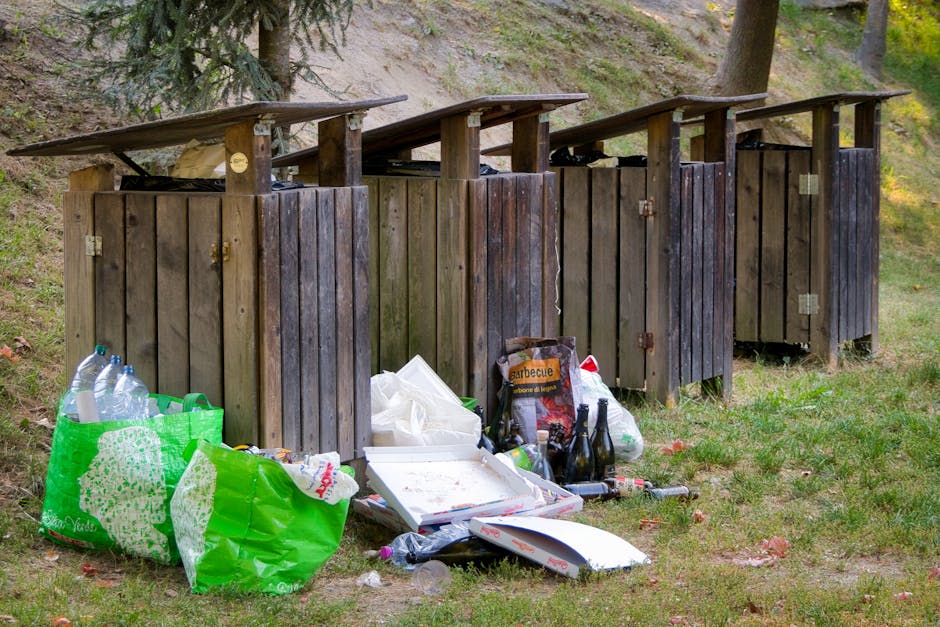
Clissold Park rubbish clearance tips for Stoke Newington
If you are dealing with a pile of unwanted bags, broken furniture, garden cuttings, or the aftermath of a clear-out near Clissold Park, you are not alone. In Stoke Newington, rubbish clearance tends to be a mix of everyday household mess, bulky items, and the odd "where on earth did all this come from?" moment. This guide to Clissold Park rubbish clearance tips for Stoke Newington is designed to help you clear waste properly, avoid common mistakes, and choose the most sensible route for your home, flat, garden, or business. It is practical, local in feel, and written for real people trying to get a job done without turning the whole week upside down.
We will walk through how rubbish clearance works, what to sort first, which methods suit different situations, and how to keep things safe and tidy. You will also find a checklist, comparison table, and a few honest, experience-based tips that make the process feel less chaotic. Let's face it, rubbish has a way of spreading when you look away for ten minutes.
Why Clissold Park rubbish clearance tips for Stoke Newington Matters
Clissold Park sits at the heart of a busy part of North London, and the surrounding streets see a constant mix of households, renters, small businesses, and people moving in or out. That means rubbish builds up quickly. A garden tidy-up can leave green waste on the pavement. A flat move can produce boxes, broken shelving, and old sofas. A renovation can turn into a trail of plaster dust and packaging. The point is simple: rubbish clearance is not just about getting rid of stuff. It is about keeping your space usable, safe, and decent-looking.
In Stoke Newington, space is often tight. Front gardens are small, hallways are narrow, and stairwells can be awkward. That makes clearance planning more important than people expect. A bad approach can block access, create mess for neighbours, or leave you paying twice because the load was not sorted well enough the first time. A better approach saves time and reduces stress. Small win, but a real one.
There is also the practical matter of what counts as waste, what can be reused, and what needs specialist handling. Some items are straightforward. Others, not so much. Mattresses, electricals, paint tins, builders' rubble, and mixed waste all need a bit more thought. If you start with a clear plan, the whole job becomes much easier.
Recycling and sustainability also matter here, because a well-sorted clearance often means less goes to landfill and more can be reused or recycled. That is better for the street, better for the environment, and frankly better for your conscience too.
How Clissold Park rubbish clearance tips for Stoke Newington Works
Rubbish clearance usually follows a simple pattern: assess the waste, separate the loads, decide how it should leave the property, and then arrange collection or removal. The details change depending on the material and volume, but the basic logic stays the same.
For a small clear-out, you might only need to bag up loose rubbish, separate recyclables, and take a few items to an authorised facility or arrange a collection. For a larger job, such as a loft, garage, or house clearance, you may need help moving bulky pieces down stairs, protecting floors, and handling mixed waste properly. That is where a structured service can be useful.
If your clear-out includes furniture, you may want to look at furniture clearance or furniture disposal depending on whether the items are reusable or simply need taking away. For more all-round jobs, options such as home clearance or house clearance may be a better fit.
A useful way to think about it is this: clearance is part sorting, part lifting, part logistics. The more you prepare, the less time the removal itself usually takes. And yes, ten minutes of sorting can save a lot of muttering later.
Key Benefits and Practical Advantages
Good rubbish clearance is not glamorous, but it pays off in very real ways. The obvious benefit is a cleaner space. The less obvious one is that you get control back. When clutter is gone, rooms feel larger, walkways are safer, and it becomes easier to clean, decorate, or rent out a property.
- Better safety: fewer trip hazards, blocked exits, or sharp items left underfoot.
- Faster property turnover: useful if you are moving, refurbishing, or preparing a flat for new tenants.
- Less visual stress: clutter can make a room feel more chaotic than it really is.
- More efficient recycling: good sorting improves the chances of materials being handled properly.
- Reduced neighbour friction: tidy loading and prompt removal help keep shared spaces pleasant.
There is also the time benefit. A lot of people underestimate how long rubbish takes to shift when they try to do it in small weekend bursts. Then Sunday evening arrives, the bags are still there, and somehow the kettle has become part of the pile. Professional or well-planned clearance can cut through that. It is not magic, just organisation.
For bigger domestic jobs, loft clearance and garage clearance can be especially helpful because these spaces often contain mixed, forgotten, awkward-to-carry items. They tend to grow quietly over time, which is how they get you.
Who This Is For and When It Makes Sense
This guide is for anyone in or around Stoke Newington who needs to clear waste near Clissold Park and wants to do it properly. That includes homeowners, renters, landlords, letting agents, small businesses, tradespeople, and people managing a move after years in the same place.
It makes sense to think about rubbish clearance when:
- you have bulky waste that will not fit in normal household bins;
- you are clearing a garden after pruning, landscaping, or seasonal tidy-up;
- you are replacing furniture and need the old pieces removed;
- you are renovating and need builders' waste taken away;
- you need a flat, loft, shed, or office cleared before a handover;
- you want to avoid loading your own car several times and making a mess of it.
Businesses sometimes need clearance too, especially if they are moving premises or replacing old stock, fixtures, or office furniture. In those cases, office clearance and business waste removal are often more suitable than trying to manage everything internally.
If you are dealing with post-refurbishment mess, builders waste clearance can be the right route, especially where there are heavy, dusty, or mixed materials. A normal bin system usually is not enough, to be fair.
Step-by-Step Guidance
Here is a simple, real-world way to tackle rubbish clearance near Clissold Park without making the process more complicated than it needs to be.
- Walk through the space first. Look for bulky items, loose rubbish, recyclables, hazardous pieces, and anything reusable.
- Separate waste into categories. Keep furniture, general rubbish, green waste, electrical items, and builders' waste apart if possible.
- Check access. Measure narrow doorways, stairs, and communal hallways if items need carrying out by hand.
- Clear a route. Remove trip hazards and open doors where needed so the removal is smooth.
- Protect floors and walls. Cardboard, dust sheets, or old blankets can help in tight properties.
- Decide what to reuse or donate. Not everything needs disposal. Some items may still have life left in them.
- Book the right type of clearance. Choose the service that matches the waste, not just the first one that sounds convenient.
- Confirm collection details. Timing, parking, access, and load size all matter in a busy London street.
One very practical tip: stage everything in one area before the removal day. A hallway full of random bags and a kitchen with half-moved cupboards is where things start to drag. A neat staging area makes the job quicker and cleaner.
If the waste is mostly garden material, a dedicated garden clearance service is usually better than treating it like general rubbish. Green waste is often easier to handle when it is kept separate from broken pots, fencing, and mixed debris.
Expert Tips for Better Results
Over time, a few patterns show up again and again. The people who get the cleanest, least stressful result are not always the ones with the smallest amount of waste. They are the ones who prepare properly.
Start with the awkward items. If you have a sofa wedged into a corner or a wardrobe that needs dismantling, deal with that first. Once the awkward thing is gone, the rest feels lighter. Funny how that works.
Keep reusable items separate. Good furniture, unopened household goods, or working appliances should not be buried under mixed rubbish. It slows everything down and makes reuse less likely.
Think in terms of handling, not just volume. A few heavy bags of rubble can be more awkward than a room full of light packaging. Weight changes the job a lot. So does dust. Nobody loves carrying dusty plaster down stairs at 8 a.m., really.
Plan around neighbours and access. In busy Stoke Newington streets, timing matters. Avoid creating bottlenecks at shared entrances. If there is limited parking, allow extra time for loading.
Be honest about mixed waste. If a load contains multiple waste types, say so early. That helps match the right clearance method and avoids awkward surprises on the day.
For older or larger homes, loft clearance and home clearance often benefit from a room-by-room approach. It sounds basic, but it stops the project from turning into one giant heap.
Common Mistakes to Avoid
Rubbish clearance goes wrong in predictable ways. Avoiding these mistakes can save time, money, and a proper headache.
- Mixing everything together: mixed loads are harder to sort and can reduce recycling options.
- Underestimating bulky items: one mattress, one wardrobe, one cracked desk... and suddenly the van is full.
- Ignoring access issues: tight staircases, no lift, or limited parking can affect the whole plan.
- Leaving hazardous items aside too late: batteries, chemicals, and certain electrical items should be identified early.
- Trying to rush on the day: last-minute sorting is where mistakes creep in.
- Choosing the wrong service: a small general rubbish pickup is not the same as a flat clearance or builders' waste job.
Another common one is assuming every old item belongs in the bin. It sounds obvious, but people do it all the time. Broken chairs, paint tins, old monitors, and mixed renovation waste need more thought than that. If in doubt, pause and sort first.
Tools, Resources and Recommendations
You do not need fancy equipment, but a few basics make the job easier and safer.
- Heavy-duty bags or rubble sacks: useful for general waste, green waste, and small bulky fragments.
- Gloves: sturdy gloves help with splinters, sharp edges, and dusty materials.
- Basic hand tools: a screwdriver, hammer, or wrench may help dismantle awkward furniture.
- Labels or marker pens: simple, but very helpful when separating keep, donate, recycle, and dispose.
- Dust sheets or cardboard: ideal for protecting floors and passageways in older properties.
If you want to understand the company side a little better before booking, it can help to read the service information on about us and review pricing and quotes. That gives you a clearer sense of how a clearance provider approaches the work, what to expect, and how pricing is usually discussed.
For customers who care about where waste ends up, the recycling and sustainability page is a useful companion read. It is especially helpful if you want a better balance between speed and responsible disposal.
Law, Compliance, Standards, or Best Practice
When rubbish clearance involves removal by a third party, it is wise to use a responsible, properly operating service and to be clear about the type of waste being collected. In the UK, waste handling comes with duties around safe transport, proper disposal, and appropriate treatment of different materials. You do not need to become a waste expert, but you should expect the basics to be done properly.
Best practice usually means:
- sorting waste sensibly before collection where possible;
- identifying anything hazardous or unusual early;
- using proper lifting techniques for heavy or awkward items;
- keeping access routes clear to avoid damage and injury;
- making sure the waste goes to an appropriate facility or treatment route.
It is also worth considering insurance and safety when booking a clearance service, especially for larger or more awkward jobs. Pages like insurance and safety and health and safety policy can help you understand how a provider thinks about risk, especially when lifting, carrying, or working in tight spaces.
If your property is a flat or shared building, a little extra care goes a long way. Avoid blocking exits, be mindful of communal areas, and keep noise and mess down where you can. That is just decent practice, and it makes life easier for everyone.
Options, Methods, or Comparison Table
There are several ways to handle rubbish clearance around Clissold Park. The right choice depends on volume, item type, access, and how quickly you need it done.
| Method | Best for | Strengths | Watch-outs |
|---|---|---|---|
| DIY bagging and disposal | Small, manageable amounts of general rubbish | Low cost, flexible, simple for light waste | Time-consuming, tiring, awkward for bulky items |
| Scheduled bulky item removal | Single large pieces or moderate mixed waste | Less lifting, faster than repeated trips | Needs preparation and clear access |
| Full clearance service | Flats, houses, lofts, garages, and larger clear-outs | Efficient, organised, suitable for bigger loads | Usually more expensive than doing it yourself |
| Specialist waste clearance | Builders' waste, furniture, office waste, or garden waste | Better matching of waste type to handling method | Requires accurate description of the waste |
For larger domestic or property-related clear-outs, services such as flat clearance, garage clearance, and loft clearance often provide a better fit than trying to treat everything as generic rubbish. The right method tends to save effort on the day.
Case Study or Real-World Example
Here is a realistic example from the kind of job that comes up all the time in Stoke Newington. A family near Clissold Park had been slowly clearing a flat before a move. Nothing dramatic, just the usual accumulation: a two-seater sofa, a broken chest of drawers, old books, cardboard boxes, a chipped bedside table, and a few bags of mixed household rubbish. The hallway was narrow, and the stairs were awkwardly angled. Classic London puzzle, really.
Rather than leaving everything piled in one room, they separated furniture from general waste, flattened the cardboard, and kept a clear route to the door. The sofa and drawers were dealt with first because they were the hardest to move. That made the rest of the job feel manageable. By the time the last bags went out, the flat looked twice as big. Not fancy, just noticeably calmer.
The key lesson was simple: the clearer the sorting, the smoother the removal. The family also realised that trying to squeeze all the work into one rushed evening would have been a mistake. A bit of planning won the day. And yes, one cup of tea may have been consumed at a critical stage. Possibly two.
Practical Checklist
Use this checklist before you arrange or carry out clearance near Clissold Park.
- Have you identified the main waste types?
- Have you separated items that can be reused or donated?
- Are there any hazardous, sharp, or unusually heavy items?
- Have you checked access, parking, stairs, and doorway widths?
- Is the route from the property to the collection point clear?
- Have you protected floors, corners, and shared hallways?
- Do you know whether you need furniture, garden, builders', or full home clearance?
- Have you allowed enough time for sorting before collection?
- Have you reviewed payment, safety, and service details?
- Do you know what happens to reusable or recyclable items?
Quick summary: sort early, measure access, separate the awkward stuff, and choose the right type of clearance for the waste in front of you. That alone solves more problems than people realise.
Get a free quote today and see how much you can save.
Conclusion
Clissold Park rubbish clearance tips for Stoke Newington are really about making a busy, often cramped local job feel manageable. Whether you are clearing a flat, tidying a garden, or dealing with the leftovers of a renovation, the winning formula is usually the same: sort properly, choose the right clearance method, and keep access simple. Nothing flashy. Just solid, practical thinking.
If you stay organised and avoid the usual mistakes, the whole process becomes far less stressful. You will get your space back faster, protect your property from damage, and reduce the chance of last-minute chaos. And honestly, that is worth a lot on a damp Tuesday morning when the bins are full and you are wondering where the spare chair came from.
When a cluttered space finally clears, the room seems to breathe a bit easier. So do you.
Frequently Asked Questions
What is the best way to start rubbish clearance near Clissold Park?
Start by separating the waste into clear groups: general rubbish, furniture, garden waste, builders' waste, and anything reusable. That makes the removal faster and helps you choose the right clearance method.
Can I mix furniture and general waste in one clearance?
Sometimes yes, but it is usually better to keep them separate if possible. Mixed loads can be harder to handle and may affect recycling options. If in doubt, ask for the most suitable clearance type.
Is garden waste treated differently from household rubbish?
Yes, often it is. Leaves, cuttings, soil, branches, and outdoor debris are usually easier to manage when kept together. A dedicated garden clearance approach can be more efficient than treating it all as general waste.
What should I do with old sofas, wardrobes, or beds?
Bulky furniture is best removed as part of a furniture clearance or full property clearance. If the item is in good condition, keep it aside for reuse or donation if that is an option.
How do I know if I need a flat clearance instead of a rubbish collection?
If you are clearing multiple rooms, moving out, or dealing with a broad mix of items rather than a few bags, a flat clearance is usually the better fit. It is more suited to larger, structured jobs.
What counts as builders' waste?
Builders' waste usually includes rubble, plasterboard, timber offcuts, packaging, broken fixtures, and other materials from repairs or refurbishments. It should be handled separately from normal household rubbish where possible.
Do I need to prepare the property before clearance day?
Yes, a little preparation makes a big difference. Clear the route, separate items, and make sure the team or collectors can access the waste without delay. It saves time and reduces the risk of damage.
What if I live in a flat with narrow stairs or no lift?
That is very common in Stoke Newington. Just make sure access details are explained clearly in advance. Narrow stairs, shared entrances, and parking limits all affect how the job is planned.
Are there safety issues I should think about?
Yes. Heavy lifting, sharp edges, dust, and awkward access can all create risk. Good gloves, sensible sorting, and careful movement help. For larger jobs, safety planning matters more than people expect.
How can I make sure waste is handled responsibly?
Use a provider that is open about recycling and sustainability, and be clear about the waste types you have. Responsible handling starts with accurate sorting and honest descriptions of what needs removing.
What is the main mistake people make with rubbish clearance?
The biggest mistake is waiting too long to sort the waste. Once everything is in one pile, the job feels bigger, heavier, and more annoying. A bit of sorting upfront makes the rest much easier.
Where can I learn more about service options and support?
You can explore useful service information such as waste removal, contact us, and terms and conditions if you want to understand how a provider structures the work and what to expect.
Is it worth booking help for a small amount of waste?
If the waste is light and easy to carry, you may manage it yourself. But if access is awkward, items are bulky, or you simply want the job done quickly, professional help can save a lot of effort.